
Birth of Philanthropy & Education SIG
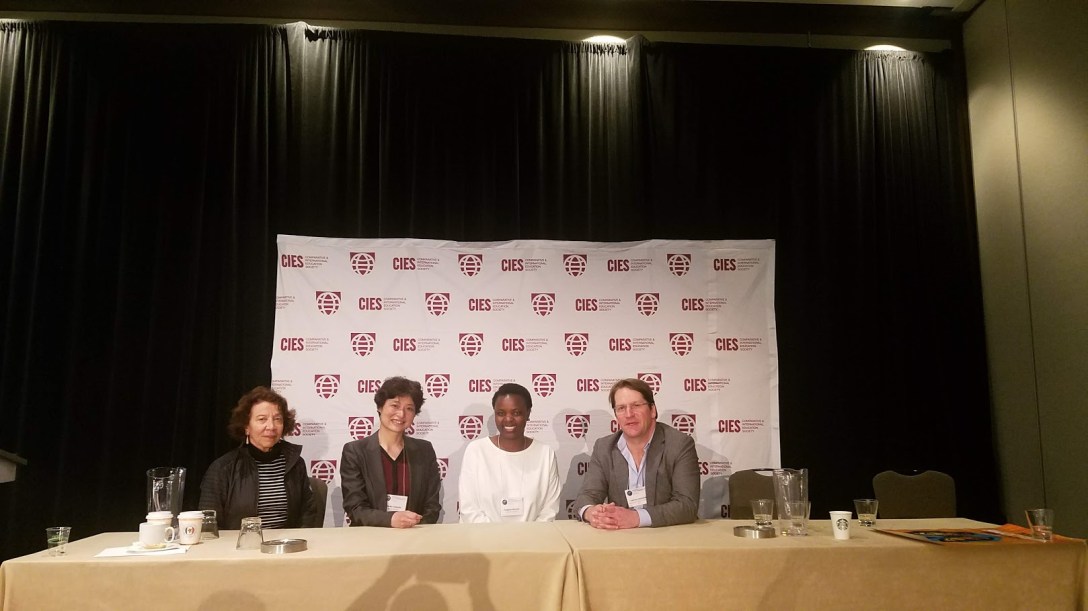
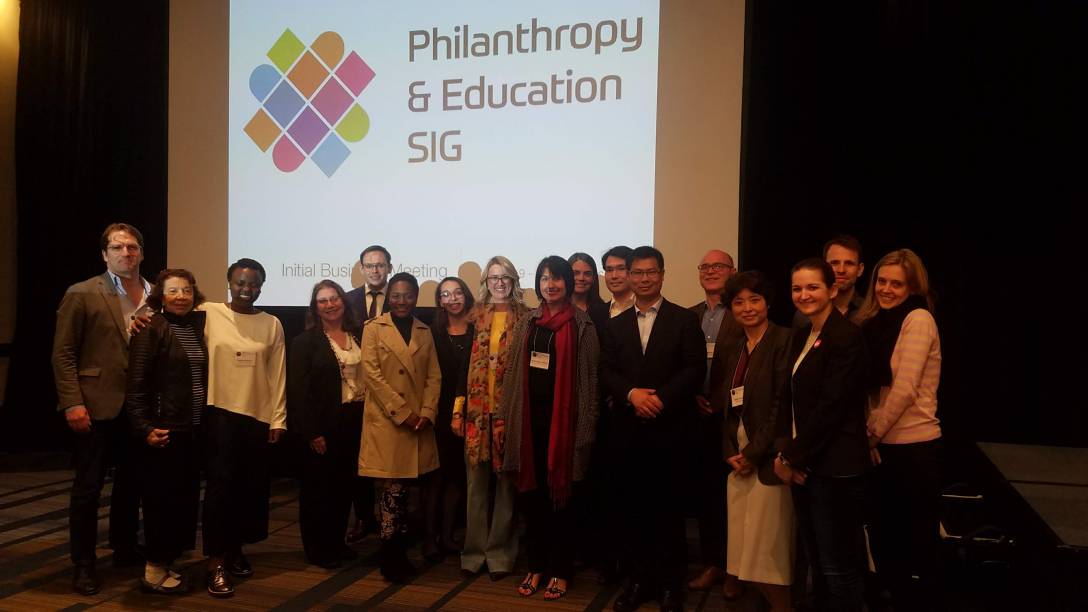
Our Philanthropy & Education Special Interest Group is born during the 2019 meeting of the Comparative and International Education Society in San Francisco. Join us

Our Philanthropy & Education Special Interest Group is born during the 2019 meeting of the Comparative and International Education Society in San Francisco. Join us
In the context of higher education, the primary language of instruction—the language that is used in class and to conduct research—is an important but complex factor. In many countries, the language of instruction varies between the primary, secondary, and university levels. Unsurprisingly, American foundations investing in higher education on the African continent target institutions where English is the primary language of instruction. English is the primary language of instruction at more than 90% of the institutions of higher education that have received grants from American foundations; the equivalent figures for French and for Arabic are 4% and 3%, respectively. I was thrilled to present on this issue during the Comparative and International Education Society’s annual conference in San Francisco in a panel chaired by legendary scholar, Robert Arnove.
Ofelia Garcia est une des grandes voix américaines qui s’élèvent en faveur du bilinguisme dans les salles de classe américaines. Elle est mon invitée pour ce 6ème épisode de Révolution Bilingue. Professeure d’éducation urbaine et de littérature hispanique et luso-brésilienne au Graduate Center de CUNY (City University of New York), cette Cubaine d’origine est à … Continue reading [FR] Révolution bilingue avec Ofelia García
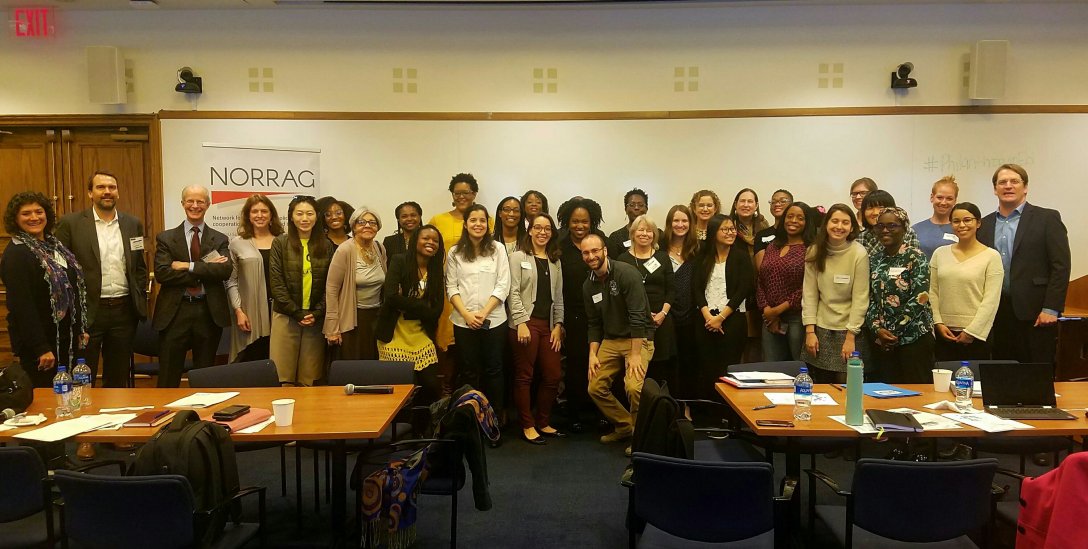
On April 9, I took part in a panel discussion on the evolution of education financing in Africa at Teachers College, Columbia University. The conference, which was organized by The Center for African Education, in collaboration with NORRAG, Tri-State Area Africa Funders, and the Tamer Center for Social Enterprise at Columbia Business School, explored how new funding mechanisms and philanthropy can compensate for funding gaps and support most vulnerable students in equitable ways.
Continue reading “The Evolution of Education Financing in Africa”
At a recent conference on civic education in France and the United States at Columbia University I was invited to share my ideas on how language programs can have an impact on citizenship, integration, and mutual understanding.

Ofelia García is one of the leading voices in the field of bilingual education. She is my guest and accepted to answer my questions in French on Episode 6 of Révolution Bilingue.

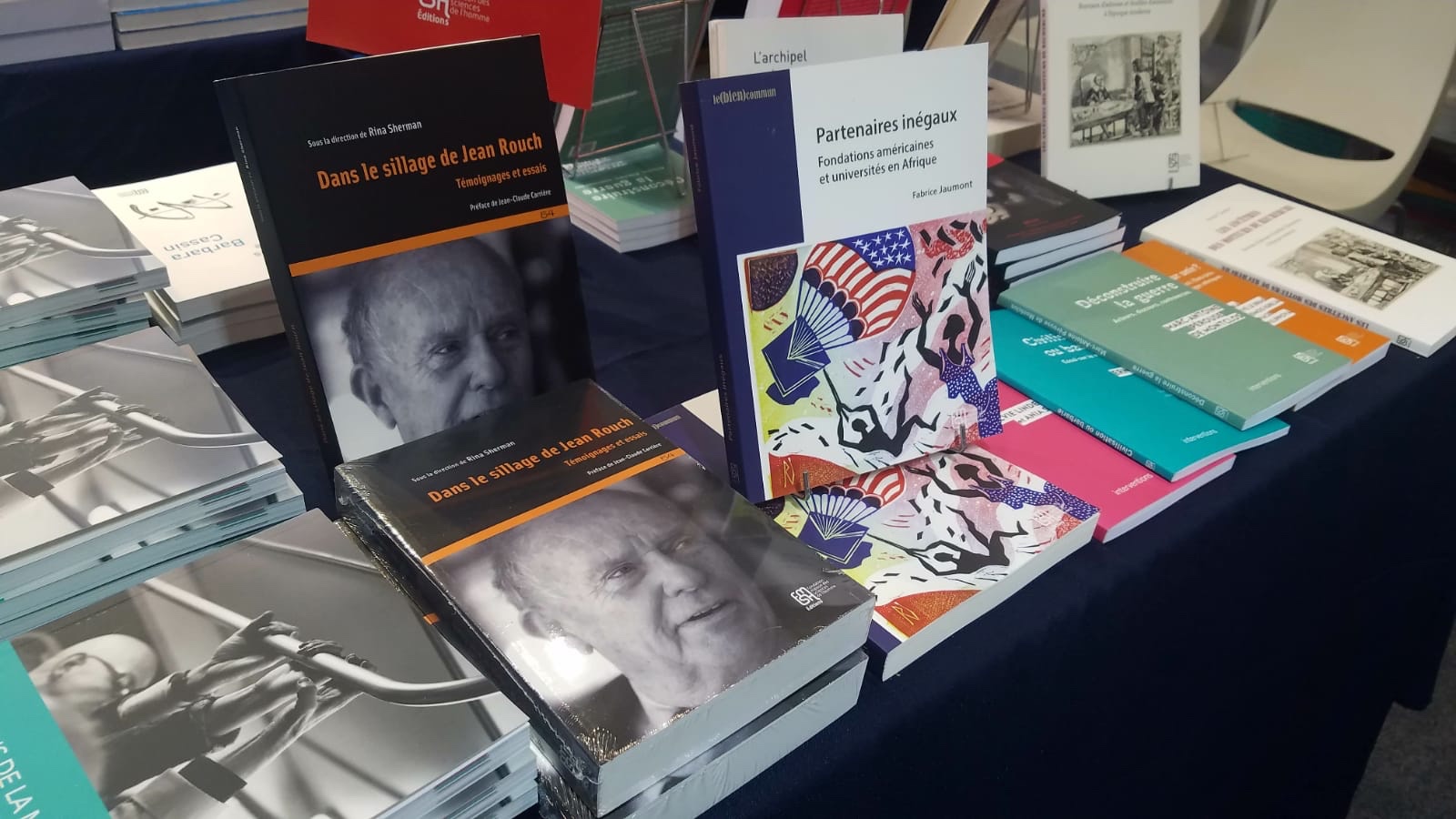
Salon du Livre Paris, one of the largest book expo in the world, provided a great venue for my book, Partenaires inégaux, and opened new opportunities for the upcoming translations of The Bilingual Revolution and The Gift of Languages. As an author, it is always rewarding to see one’s books’ journey through book fairs and events. Our books live a life of their own. It’s also exciting to see a growing interest for books like mine which provide fresh perspective on important topics such as the rise of dual-language education, and the role of philanthropy on higher education.
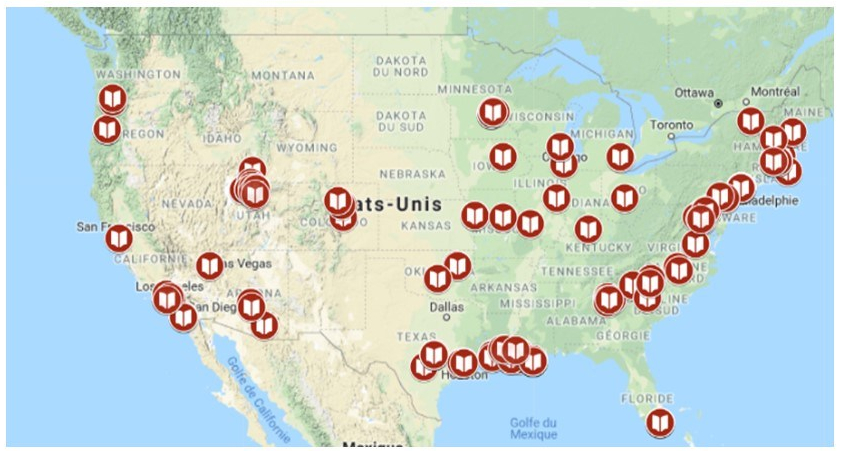
173 écoles, 94 villes, 34 États ! Il s’agit des dernières données sur les filières bilingues francophones aux États-Unis.
Les écoles qui ont répondu à l’enquête sont majoritairement des écoles publiques au niveau élémentaire. Quelques établissements secondaires proposent un enseignement bilingue en français, leur nombre devrait cependant augmenter dans les prochaines années tant la demande est forte pour un continuum de qualité au collège et au lycée. C’est le cas en Utah, en Louisiane, en Floride et à New York. Toutes les écoles sondées suivent le programme de la ville ou de l’État dans lesquelles elles se trouvent. Celui-ci est enseigné en anglais et en français selon des modèles d’enseignement qui peuvent varier d’un district scolaire à l’autre.
Continue reading “[FR] Les filières bilingues francophones aux États-Unis”
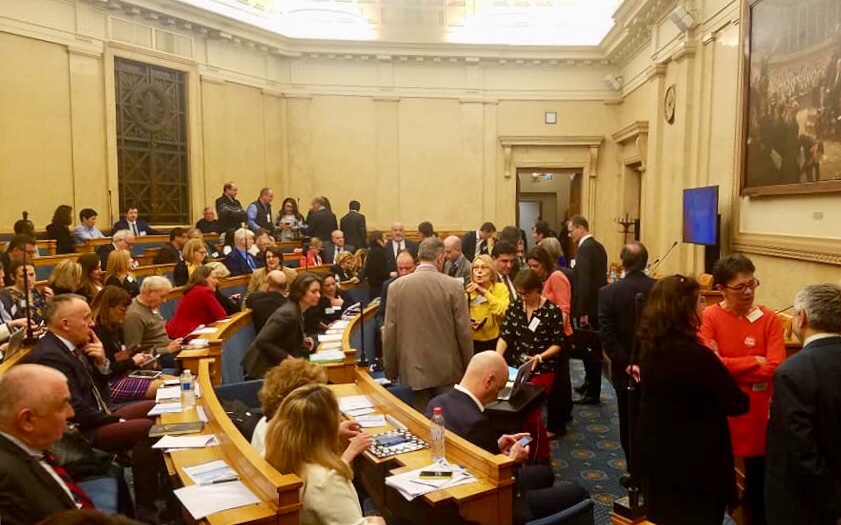
J’ai pu assister, le 15 mars dernier, à une partie du colloque sur les établissements français à l’étranger organisé le 15 mars dernier par la députée Samantha Cazebonne à la suite du rapport qu’elle a rédigé : L’enseignement français à l’étranger : une ambition réaffirmée dans un nouveau contexte international. J’étais bien sûr honoré de me retrouver dans la prestigieuse salle Colbert à l’Assemblée nationale de la République française et de retrouver plusieurs bonnes connaissances, dont le député Roland Lescure, l’ancien sénateur André Ferrand et Marine Havel, qui représentait ce jour-là la fédération des programmes FLAM des Etats-Unis.
Continue reading “Colloque sur l’avenir de l’enseignement français à l’étranger”
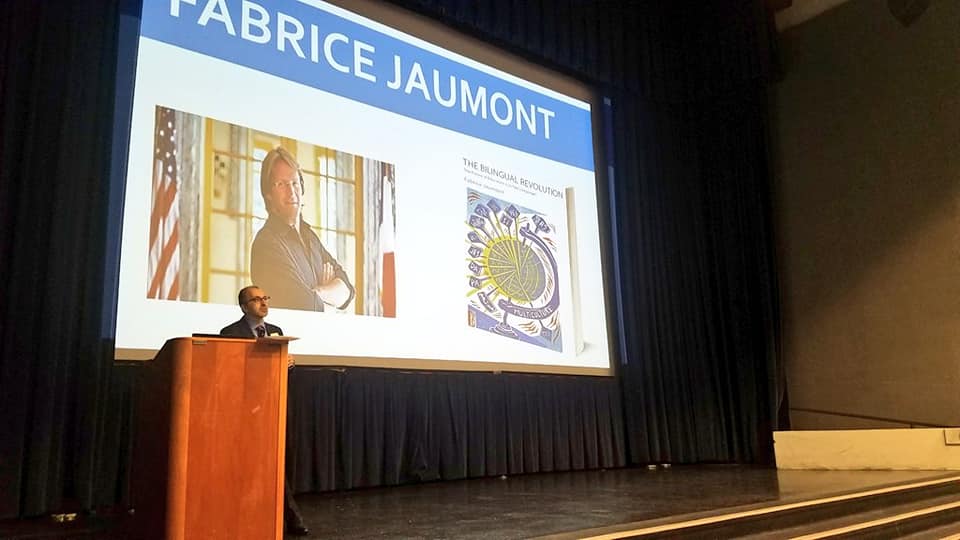
I was honored to deliver the keynote during the annual meeting of New York State Association of World Language Administrators (NYSAWLA), a professional organization that supports World Language leaders with professional development, advocacy efforts, access to resources and the development and administration of regional language exams.
I was able to share success stories from the Bilingual Revolution, and presented examples from the Arabic, Chinese, German, Greek, French, Italian, Japanese, Korean, Polish, Russian, Spanish dual-language programs and parent-led initiatives.
The conference was held at Hofstra University on March 8, 2019. This year’s theme was “Let’s fulfill the promise! Bilingualism for ALL!
Congratulations to NYSAWLA President Francesco L. Fratto for his leadership and advocacy for multilingual education in the United States.
 FABRICE JAUMONT