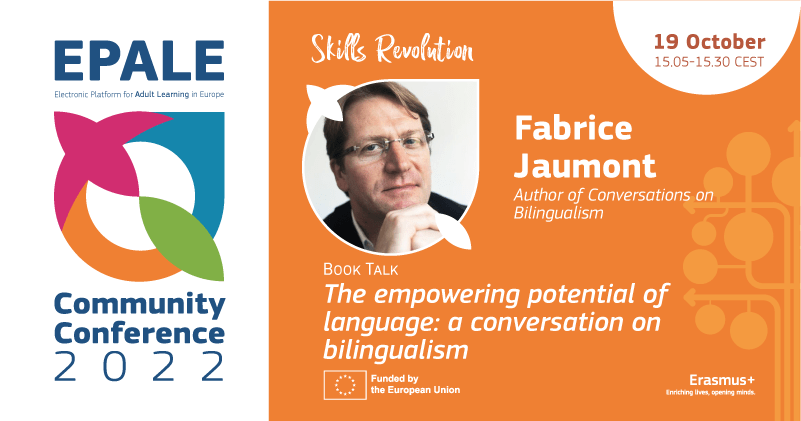
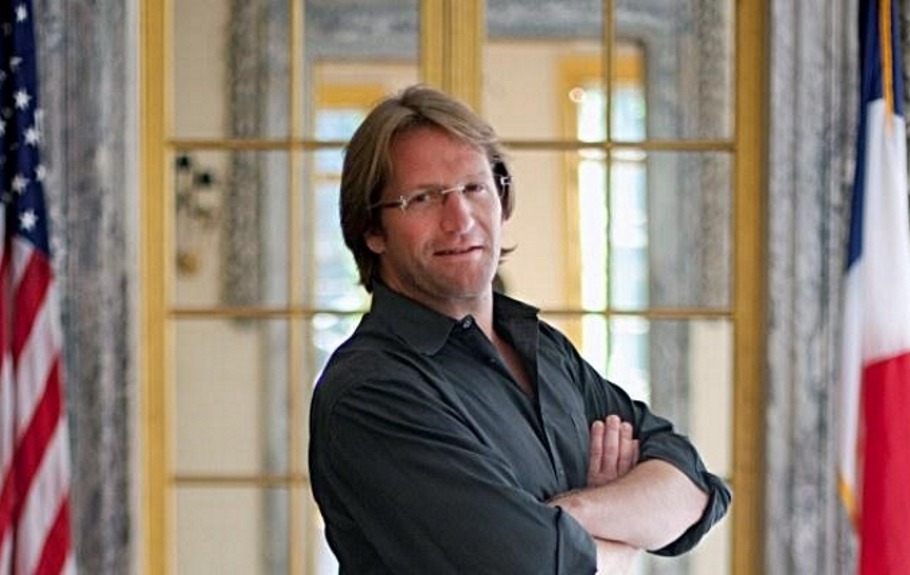
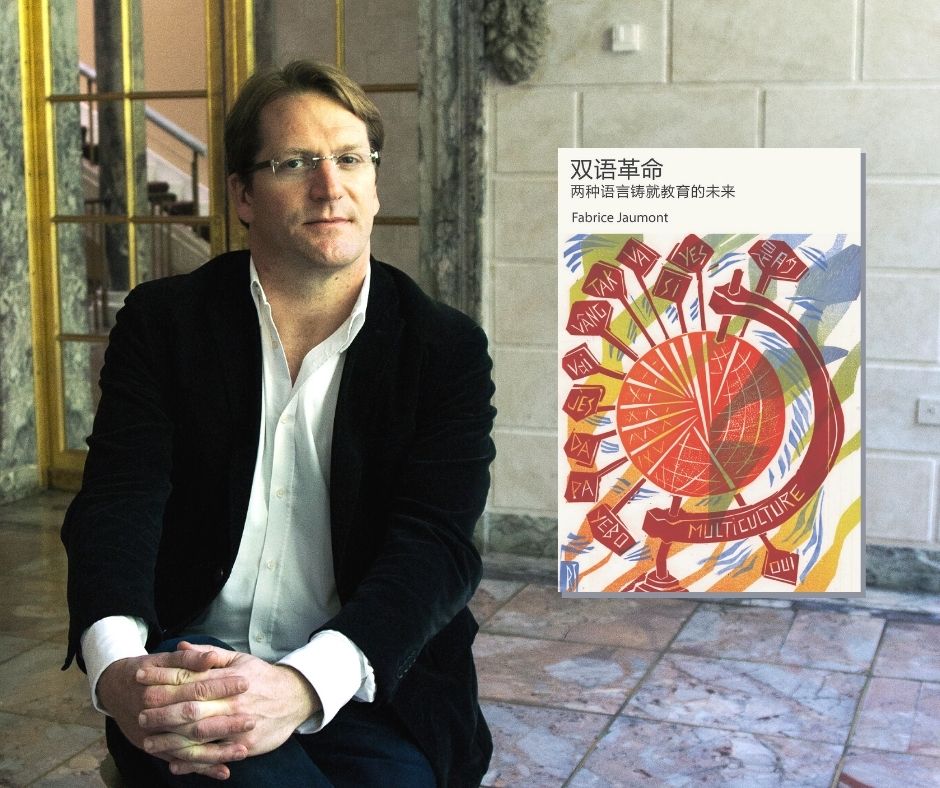
In this conversation, Dr. Fabrice Jaumont will delve deeper into the topics of bilingualism, bilingual education, and cognitive development. He will also discuss his books Conversations on Bilingualism and The Bilingual Revolution: The Future of Education is in Two Languages, which expand on the work of the author to advance multilingualism, empower multilingual families and linguistic communities, and foster cross-cultural understanding.
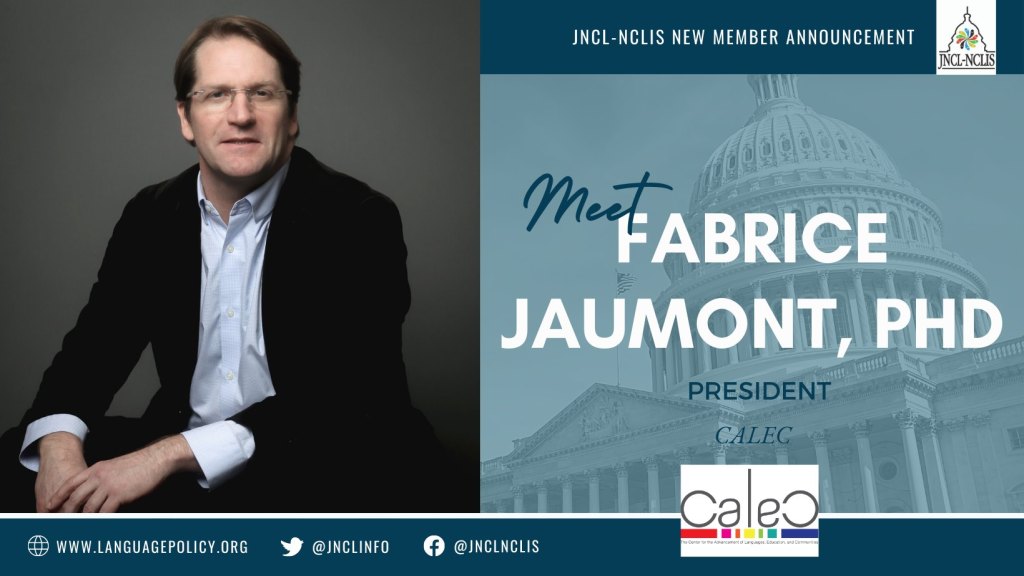
Joining the Joint National Committee on Languages and the National Council for Languages and International Affairs (JNCL-NCLIS) is an important step to further the Bilingual Revolution on Capitol Hill and share our voice at the highest level of the United States of America. JNCL-NCLIS unites a national network of leading organizations and businesses comprised of over 300,000 language professionals to advocate for equitable language learning opportunities.Together we can promote multilingualism, empower multilingual families and linguistic communities, and foster cross-cultural understanding while establishing language as a critical life skill, through developing and implementing strong education programs, promoting diversity, and reducing inequality.
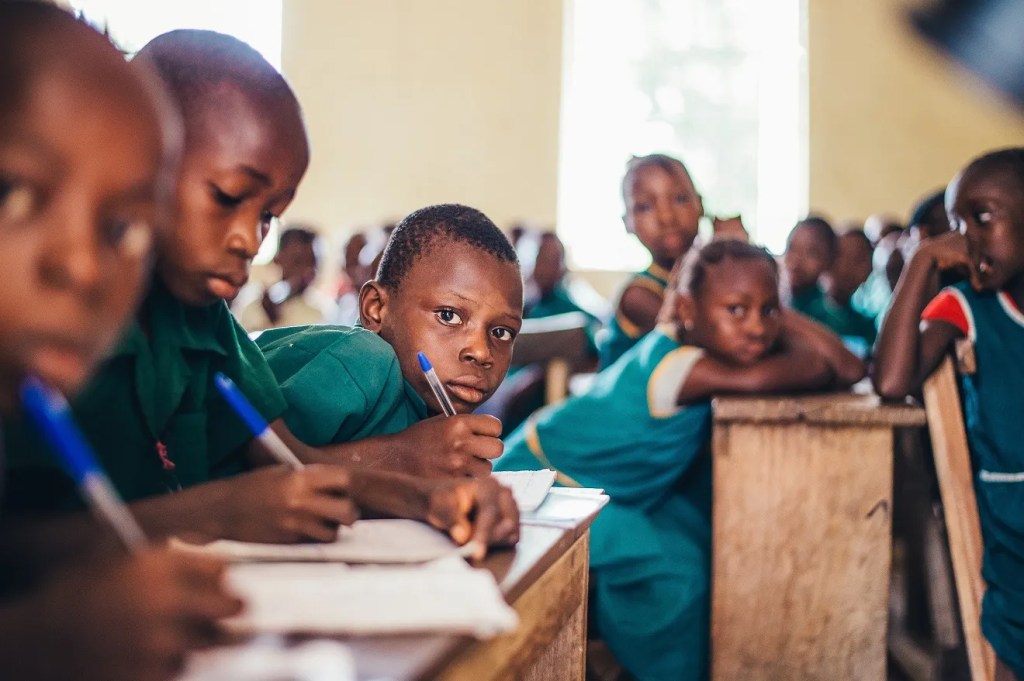
The Center for the Advancement of Languages, Education, and Communities has announced the following call for papers. In this book, we wish to examine the potential of multilingual education across the countries of Africa and in diverse sectors. Authors are invited to present an essay about the local applications of various models of dual-language education and the ways to encourage their growth and scale. This book will seek to offer a positive and constructive vision for the future and will try to combat the myths and received ideas about bilingualism and education in Africa, namely, ignorance and obstacles that have retarded the development of dual-language education as a strategy for inclusiveness and equity as well as a means to achieve economic growth and develop human capital within Africa’s multilingual environments. The goal of the Bilingual Revolution is to advocate for a multilingual education for all, but to do so, we must raise the awareness about the importance and the advantages of multilingual education, including African languages used as teaching languages for the basis of education, for Africa and to reach as many people as possible. One is allowed to dream, and so, each author submitting a paper to become a chapter of this book is invited to share his or her dream for the future of education on the continent.
For International Francophonie Day, I will give a talk about The Bilingual Revolution: The Future of Education is in Two Languages at the invitation of the University of Southern Maine’s Franco-American Collection.
Following the recent decision by New York City’s Department of Education to drop a French dual-language program in Manhattan, as reported by various media (Batch, NY Post, TapInto), I wanted to express my full support to the parent-led effort that has involved hundreds of diverse families and dozens of nationalities united to create a new French dual-language program in Manhattan.
Global C.R.E.D. brought together language learners from around the globe who want to grow and use their language skills. This live-streamed broadcast event connected learners with educators, learning and testing organizations, and companies that can provide career opportunities. Over 2,000 participants from 64 countries joined this two-day conference. This was my contribution. Watch the recording.
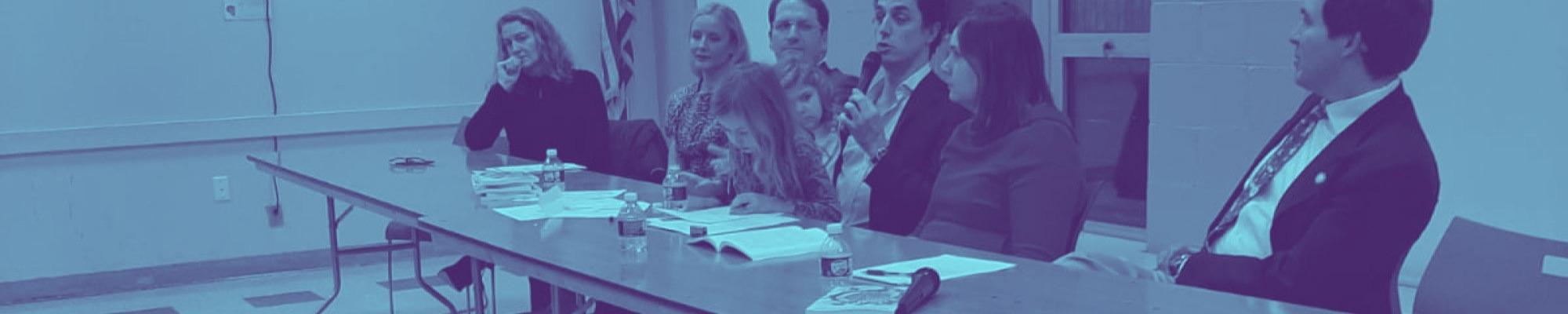
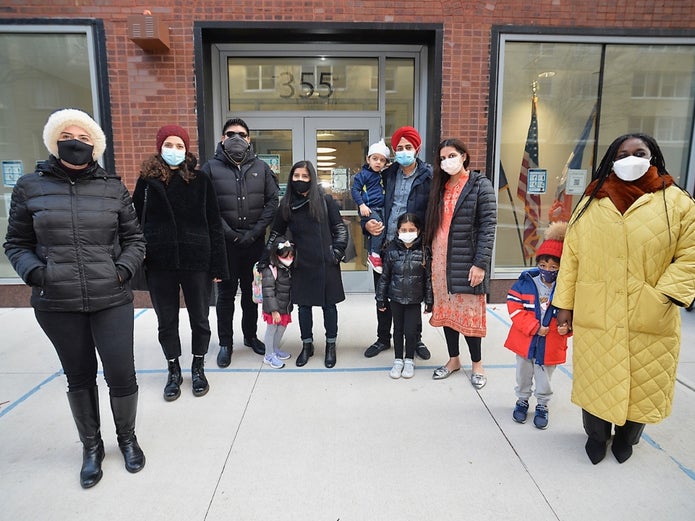
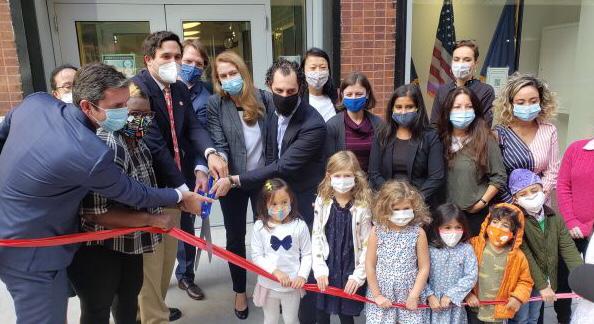
On October 2, I was thrilled to join Council Member Ben Kallos, French Consul Jérémie Robert, Community Education Council President Maud Maron, parents, teachers, and school administrators for a ribbon-cutting ceremony to celebrate two new French dual language classes that have opened at the District 2 Pre-K Center located at 355 East 76th Street in Manhattan. The joyous occasion for the families who attended the ribbon cutting and for all supporters comes after a very dedicated group of parents, including members of the Francophone community from Canada, Africa, and France, met with more than two hundred families who pledged to send their children to a French dual language program in Manhattan if one was created. I particularly congratulate the incredible efforts put forth by parents such as Stéphane Lautner, Catherine Rémy, and Nadia Levy who have kept the torch of the Bilingual Revolution burning in Manhattan even during these tough times. The French dual language classes began on September 21st with seats for 36 pre-K students. The Department of Education will operate these classes using a side-by-side instructional model where it will have one Early Childhood-certified teacher who is fluent in French and who has or will work towards a bilingual extension, alongside a second Early Childhood-certified teacher.
Here are quotes from some of the participants as well as a news report and additional photos and links.


 FABRICE JAUMONT