

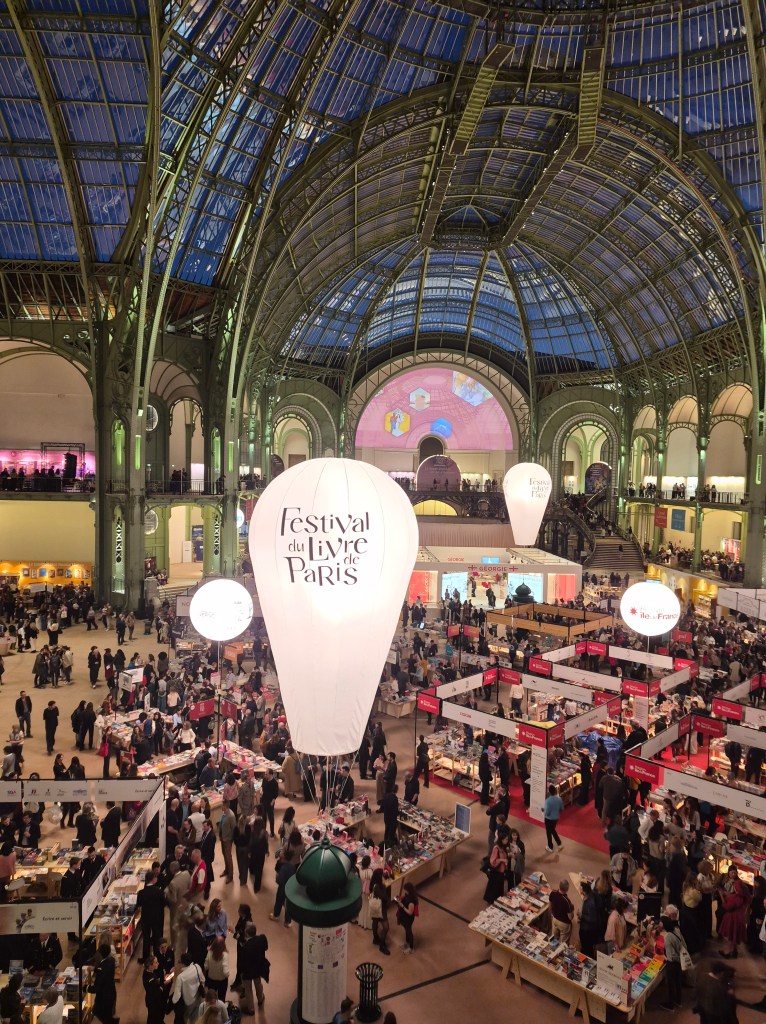
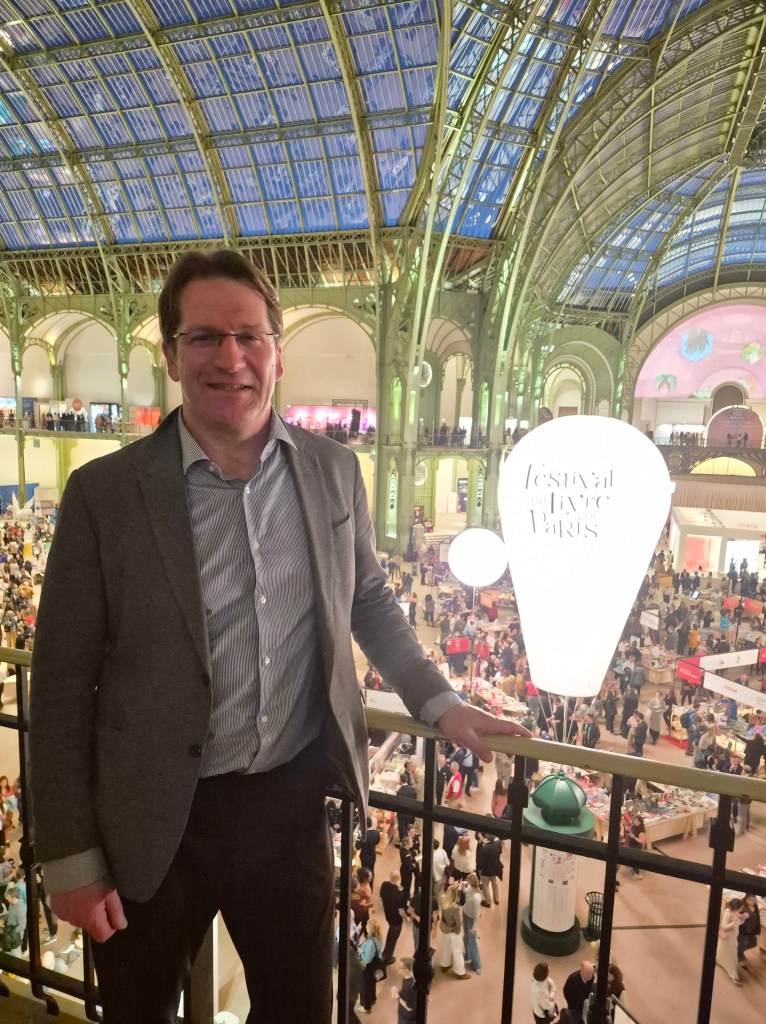
Spending three days at the Festival du Livre de Paris under the magnificent glass roof of the Grand Palais was both energizing and deeply meaningful.
This year’s festival was an opportunity not only to present and share my books, but also to meet readers, educators, researchers, families, and fellow advocates of multilingualism from many different backgrounds. These exchanges reminded me once again why this work matters so much: languages are not simply tools of communication. They are carriers of memory, identity, culture, and possibility.
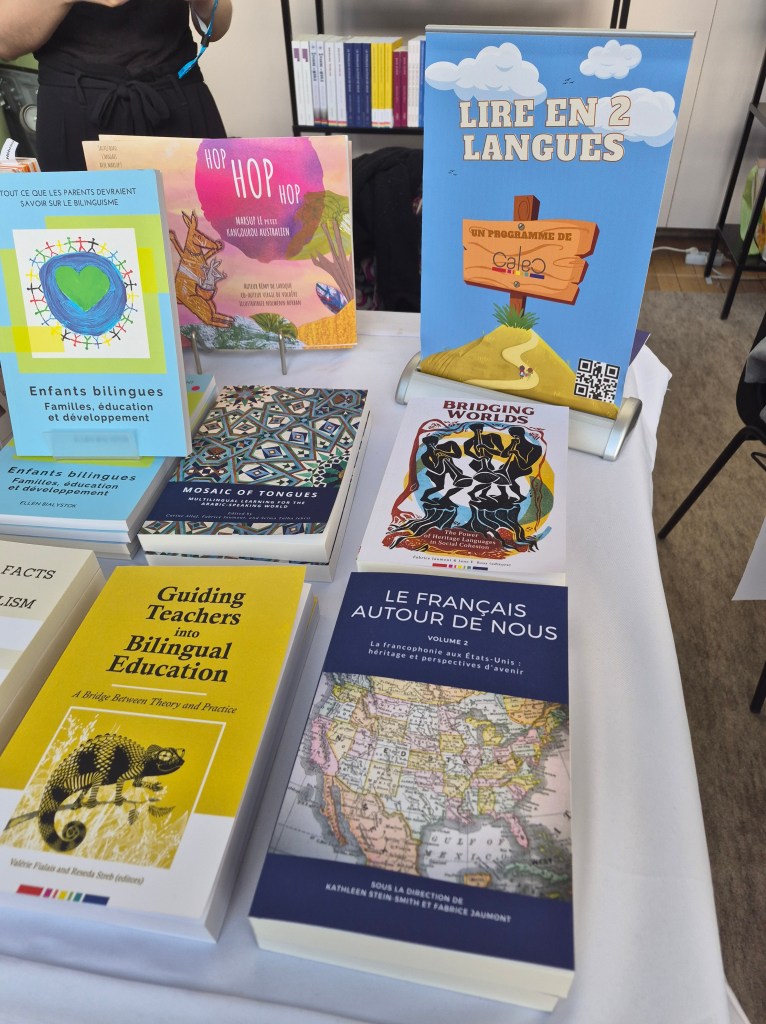
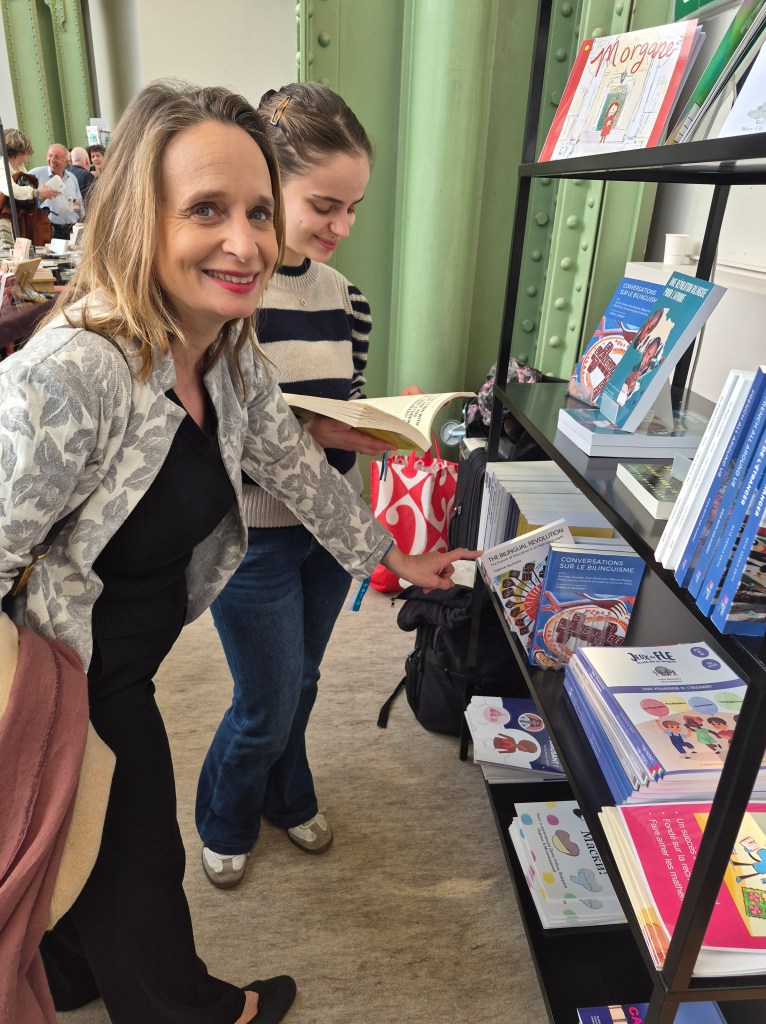
Throughout the festival, I was glad to see so many of my books and collaborative projects represented, including works on bilingual education, heritage language development, multilingual learning, and language policy. Seeing these titles in conversation with one another in such a remarkable setting made me reflect on the journey they represent — a journey shaped by years of dialogue with communities, educators, scholars, and families across the world.
Among the books featured were:
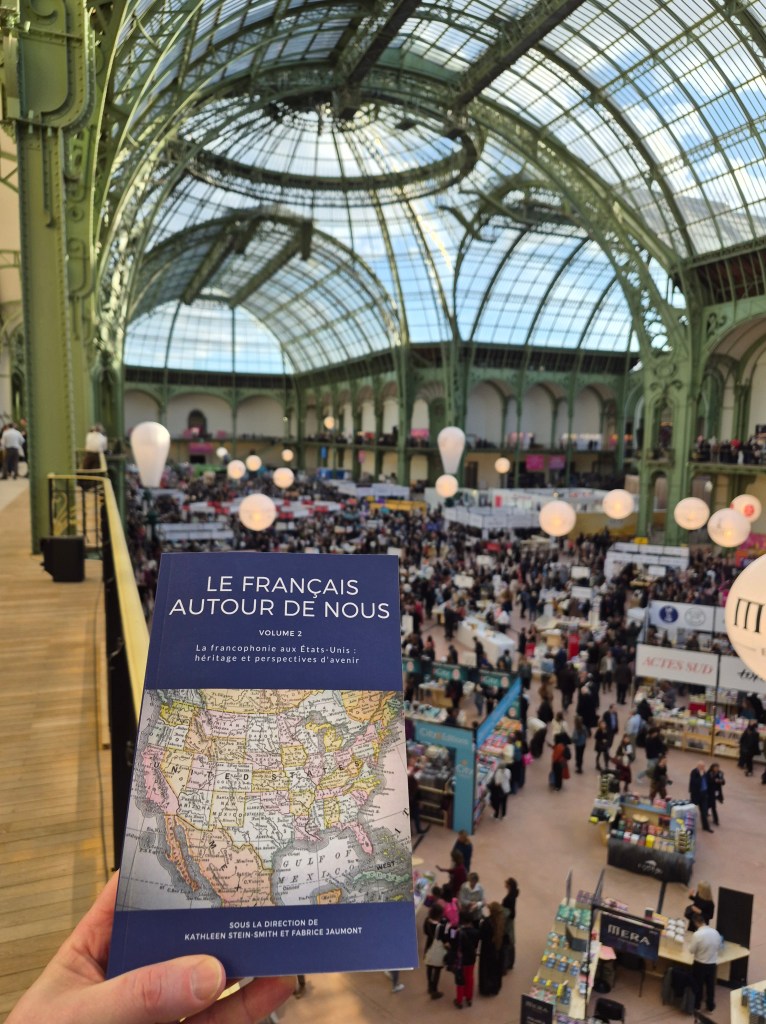
- Le français autour de nous, Volume 2
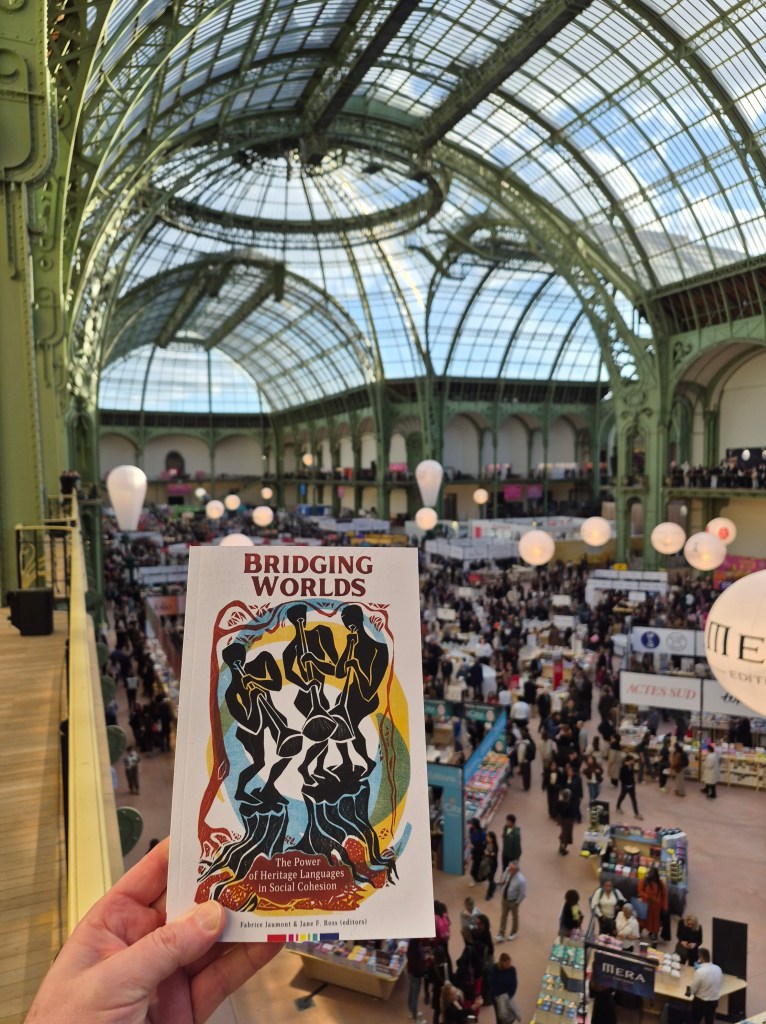
- Bridging Worlds: The Power of Heritage Languages in Social Cohesion
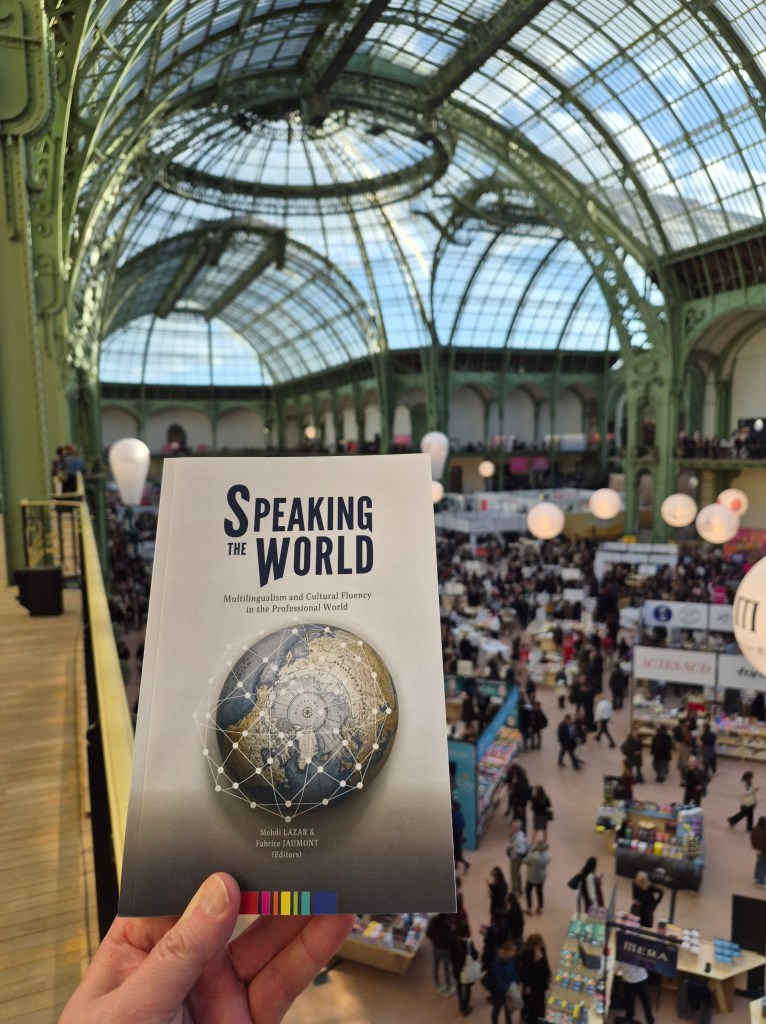
- Speaking the World
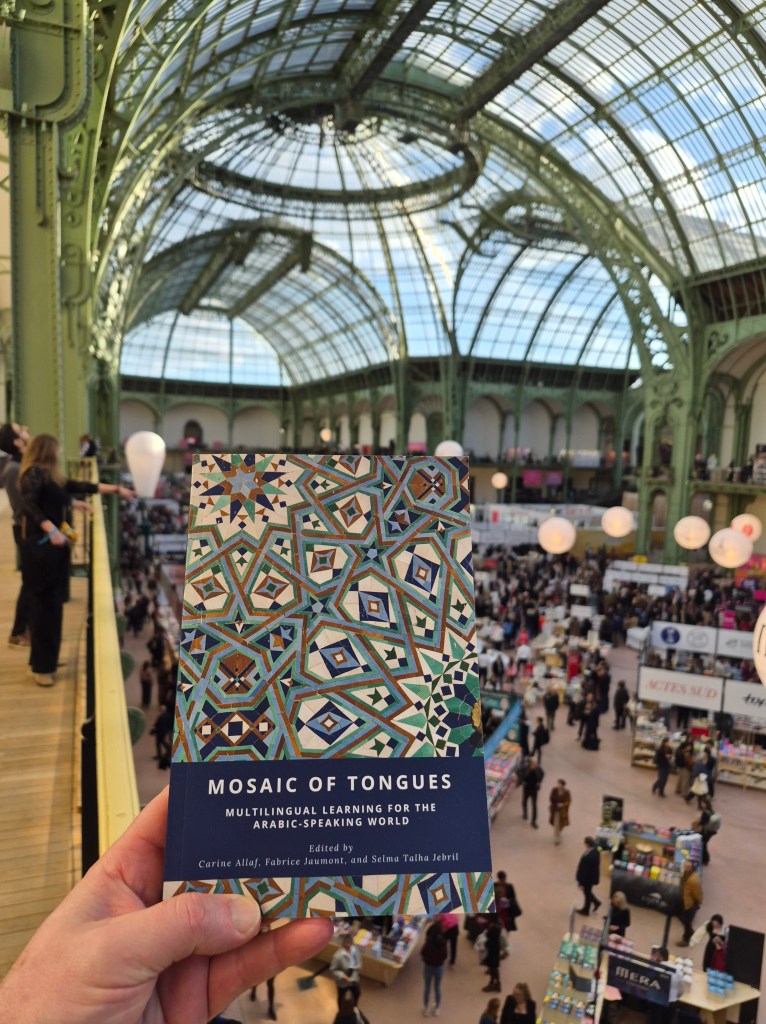
- Mosaic of Tongues
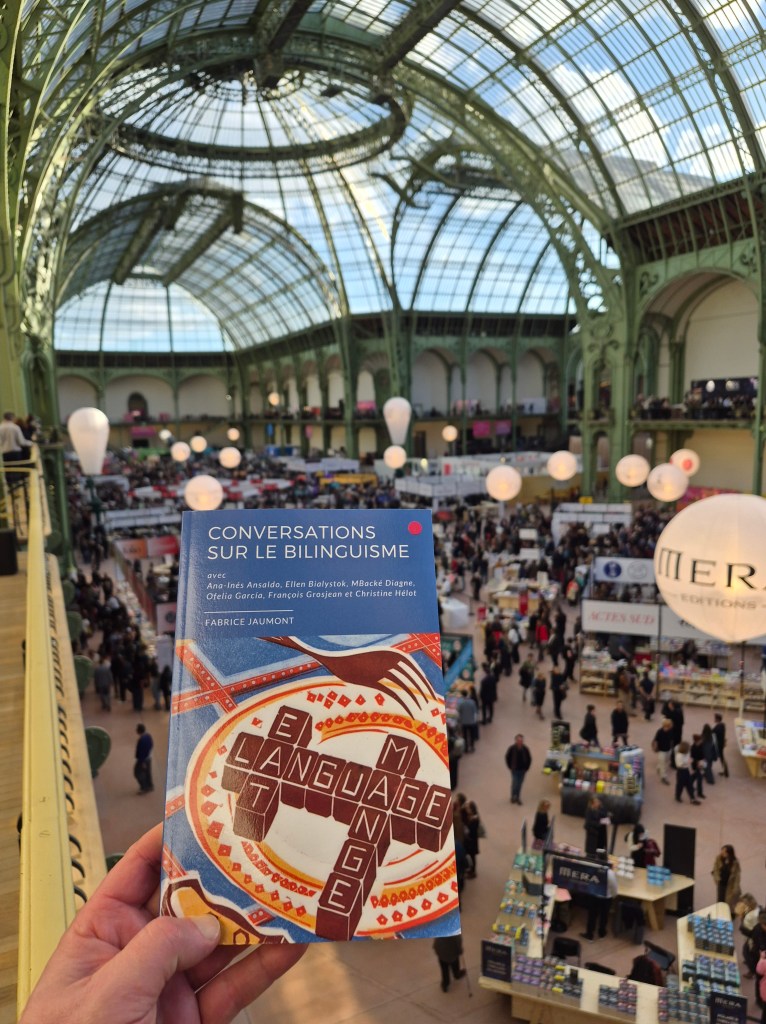
- Conversations sur le bilinguisme
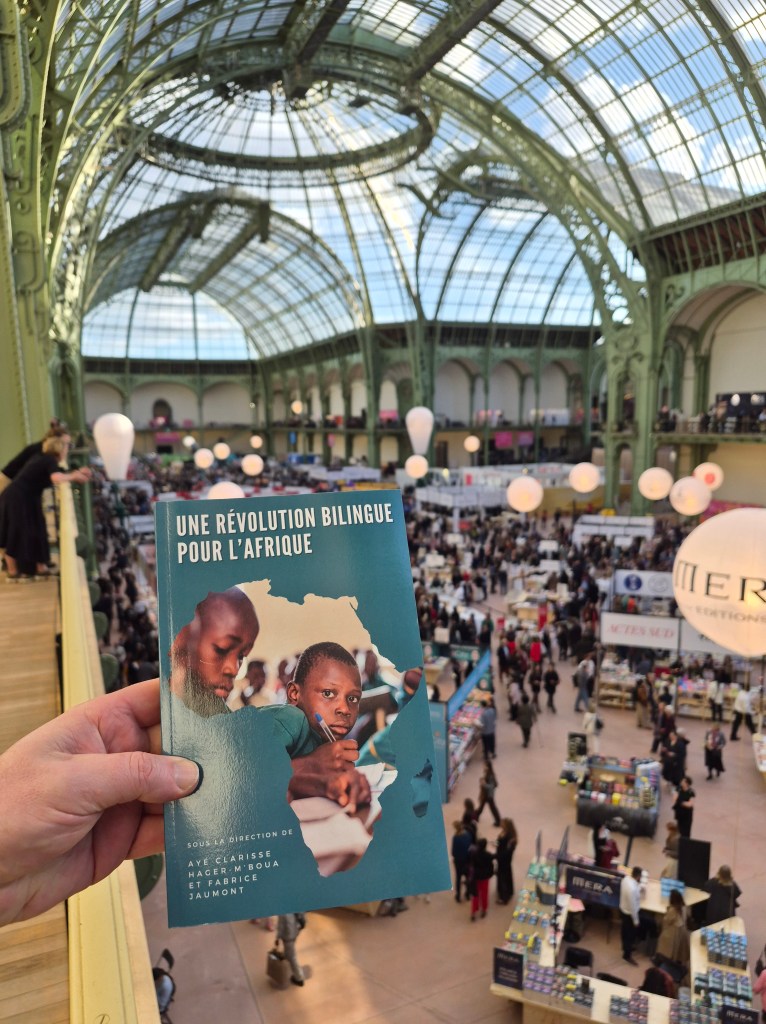
- Une révolution bilingue pour l’Afrique
- The Bilingual Revolution: The Future of Education is in Two Languages
Each of these books speaks, in its own way, to a shared conviction: that multilingualism is a strength, and that nurturing languages helps build more inclusive, connected, and human societies.
One of the great joys of the festival was the chance to display these books overlooking the vibrant activity of the Grand Palais. From above, the festival floor was alive with readers, publishers, conversations, discoveries, and encounters. It was a powerful reminder that books continue to create bridges — across disciplines, across generations, and across borders.
I was also especially happy to see such interest in the themes that have guided so much of my work: bilingual education, the value of heritage languages, and the role of multilingualism in social cohesion. These are no longer marginal questions. They are central to the future of education and to the kind of societies we want to build.
What stays with me most after these three days is the quality of the conversations. At every turn, there was curiosity, generosity, and a shared commitment to language as a force for connection. Whether speaking with long-time colleagues or meeting new readers for the first time, I felt encouraged by the growing community of people who believe that linguistic diversity is something to be protected, celebrated, and transmitted.
I leave Paris grateful — for the conversations, for the readers, for the organizers, and for the extraordinary setting of the Grand Palais.
After three days at the festival, I am reminded more than ever that language is more than words: it is identity, memory, and connection. Every language we nurture keeps a culture alive and a bridge to the world open.
Thank you to everyone who stopped by, exchanged ideas, shared encouragement, and helped make these days so memorable. May the conversations begun in Paris continue to travel far beyond the Grand Palais.
 FABRICE JAUMONT