New book: Mosaic of Tongues

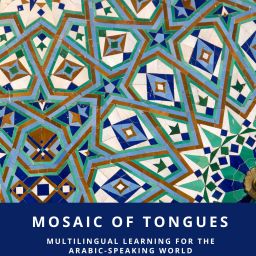
Immensely proud to announce the release of Mosaic of Tongues: Multilingual Learning for the Arabic-speaking World. This new book offers a comprehensive exploration into the multifaceted realm of multilingual education within Arabic-speaking communities and beyond. It delves into the intricate journey towards bilingualism, the intersection of language and identity among diaspora populations, and the social … Continue reading New book: Mosaic of Tongues
Arabic Language Learning in Europe: Realities of Policy & Practice (Brussels)

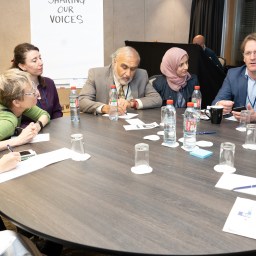
I was thrilled to participate in the symposium on Arabic Language Learning in Europe: Realities of Policy & Practice, which took place in Brussels on May 8-9. As a language enthusiast, I have always been interested in the importance of language learning in education policies. I believe that the recognition of Arabic as the fifth most spoken language in the world is a significant development that warrants attention from language educators and policymakers.

Continue reading “Arabic Language Learning in Europe: Realities of Policy & Practice (Brussels)”

L’arabe pour tous / Arabic for All with Nabil Wakim

“Dad, why did you lose your tongue?” The question was asked by the five-year-old daughter of Le Monde journalist Nabil Wakim, born in Lebanon and relocated in France at around the same age. Why did Nabil Wakim lose his mother tongue? And why do many personalities in France, like Najat Vallaud-Belkacem and Myriam El Khomri, two former government ministers, or the singer Camélia Jordana, the journalist Nassira El Moaddem and many others, carry this contradiction in them? Namely: having spoken the Arabic language at a younger age before losing it. Worse, finding yourself almost unable to relearn it later. Here is the recording of an interview I recently had with author Nabil Wakim, as part of French Morning’s 2020 Bilingual Fair, and a discussion that I further develop in this blog post.

Continue reading “L’arabe pour tous / Arabic for All with Nabil Wakim”